Home/Resources/Sustainable Design
Practice Note
Designing for a lighter footprint
Sustainable architecture is no longer a separate ambition. It is the work of joining aesthetics, function, and environmental responsibility in the same building, and it begins with decisions made long before construction.
The demand for buildings that are energy-efficient, resource-conscious, and easy on their surroundings continues to rise. Architects, interior designers, and construction firms are expected to meet it. Here are the design features we work to build into our projects to make them more sustainable.
Passive sustainable design
Passive strategies cost the least and ask the most of judgement. They mean considering sun orientation and climate when siting a building, and being deliberate about where windows go and how they open. Used well, they manage daylight and natural ventilation, and they cut the energy a building needs before any system is switched on.
We orient key spaces such as bedrooms, living rooms, and dining rooms to face north and south, so they catch good light without the harsh heat gain of the east and west sun. Introducing vertical skylights on the top floor has proven especially effective, and clients consistently respond well to the quality of light those spaces gain.
Active sustainable design
Where the building's form does the work, a few moves carry a lot of comfort.
- Large roof overhangs shield walls, doors, and windows from water runoff and help prevent moisture infiltration. They also shade the building and reduce direct sunlight, keeping it cooler in hot weather.
- Sun shading fins on the east and west elevations block direct sun and reduce solar gain, balancing the temperature, humidity, and light inside and making the interior more comfortable to occupy.
- High-efficiency systems, developed with mechanical and electrical engineers, cover electrical, plumbing, and HVAC work designed for a small environmental footprint.
Renewable energy systems
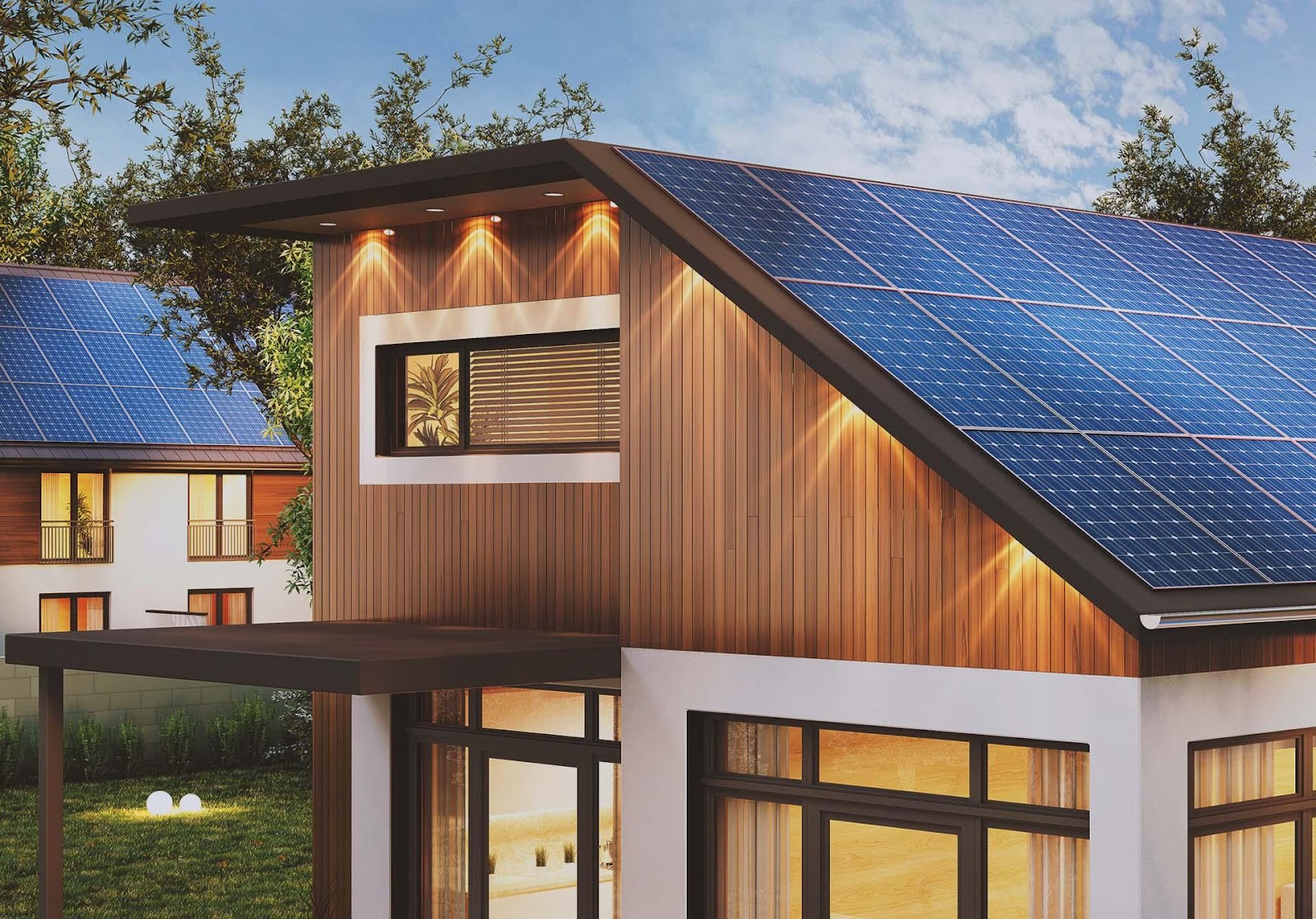
Renewable systems such as roof-mounted solar panels can help power a home and reduce electricity costs. They work best alongside the passive strategies above, so the building first needs less energy, then generates a share of what it does.
Green building materials and finishes
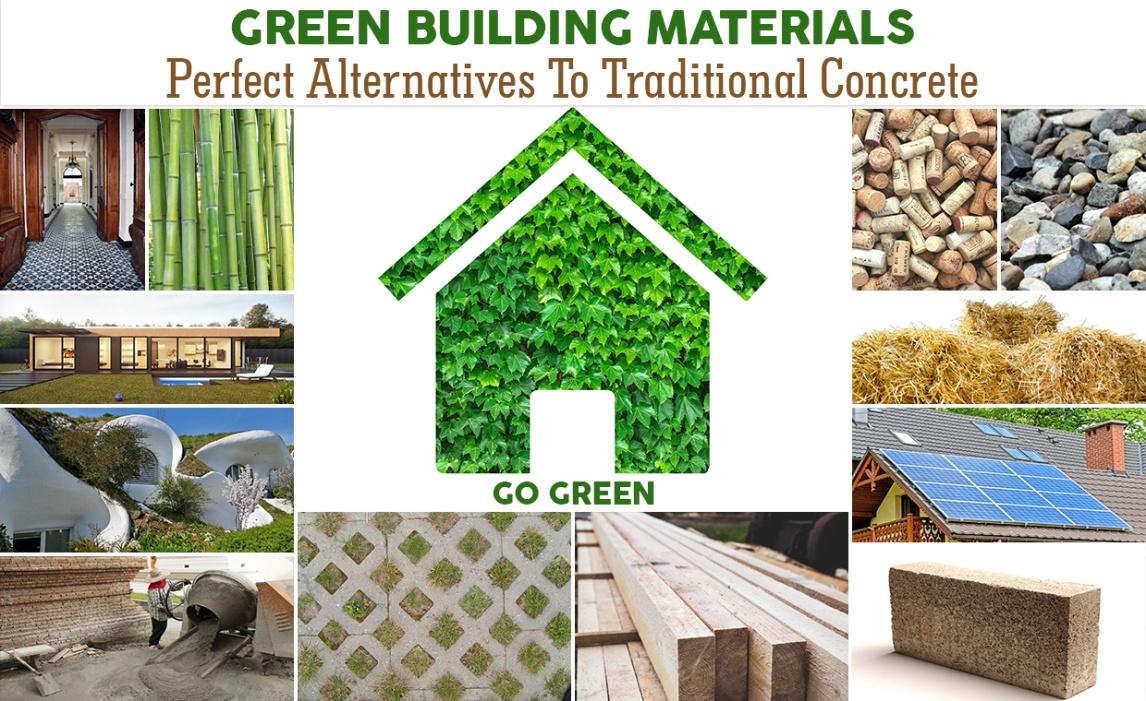
We make it a priority to source steel, lumber, concrete, and finishing materials such as carpet and furnishings from companies that use environmentally responsible manufacturing or recycled content. The choice of material is part of the building's footprint, not separate from it.
Beyond the responsibility to the planet, a well-considered sustainable building teaches. Occupants and visitors see for themselves how these strategies work, which is its own quiet argument for the next project.
Building more sustainably with us
At Quod Architects, we work to apply sustainable strategies across every project we take on. If you want a building that is comfortable, efficient, and lighter on its surroundings, get in touch and we will discuss what suits your site.