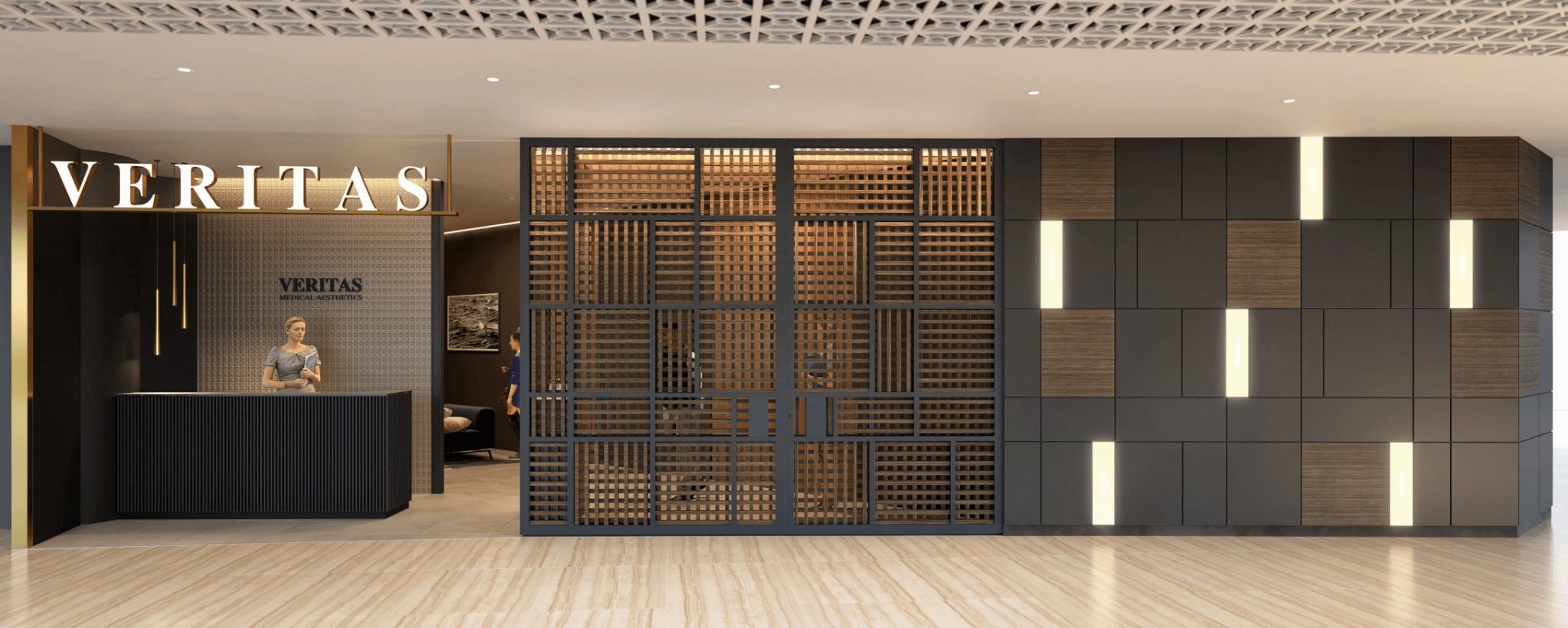
Having completed the interior design of several commercial shops, hair salons and medical clinics among them, we have watched the same thing happen. New business owners arrive excited and quickly feel overwhelmed by the pace of the design and renovation process, and by the technicalities behind it.
This guide is written to add clarity, specifically for a commercial space inside a retail mall. By reducing the number of unknowns around renovation, you free up attention for the part that matters: running the business. Treat this as a guide rather than a quote, because every mall sets its own requirements.
If you are opening in a shopping mall, renovation usually forms a large share of the capital you need. Beyond the renovation works payable to your main contractor, there is a set of other costs payable to the landlord, the landlord's appointed consultants, nominated contractors, and your own appointed building professionals. Knowing they exist is half the battle.
The two largest costs
- Interior designer fees. The fee for the design work itself, from concept through to site supervision.
- Interior renovation costs. Payable to the main contractor you engage for the works. This forms the bulk of the expenses.
The other costs owners often miss
The list below is not exhaustive, but it covers the items that most often catch first-time tenants off guard.
Fitting-out deposit
The deposit required by the mall varies, and is usually tied to the area of the premises.
Vetting fees from the mall's consultants
The mall's appointed consultants charge to vet your submissions. These typically include the architect, and where required the mechanical and electrical engineer, and the civil and structural engineer. Your appointed architect will advise whether the M and E and C and S engineers are needed for your scope.
Sprinkler works
Sprinklers are automatic devices set into the ceiling that discharge to extinguish a fire when triggered. The number and location depends on your layout and is advised by the tenant's professional mechanical engineer. Depending on the mall, the landlord may require sprinkler works to be carried out by their in-house sprinkler contractors. There are also sprinkler discharge and recharge fees to account for.
Temporary electrical supply
Usually charged at a unit rate per day, and dependent on the length of the renovation.
Temporary water supply
Usually required towards the tail end of the renovation period.
Endorsement and submission fees
A professional engineer endorses the electrical supply to the premises, including endorsement by a Licensed Electrical Worker on the CS3 form. Separately, your architect, C and S engineer, and M and E engineer charge for vetting, endorsing, and submitting to the authorities. Submissions to the relevant agencies depend on the scope of works and the intended use of the space.
Planning around the unknowns
An experienced interior designer can guide you through the process and the detailed costs involved. For specifics, the retail fitting-out manuals, usually issued once your lease is confirmed, are the definitive reference for your particular mall. We are glad to help with any questions. Reach the studio at admin@quodarchitects.com.