Many clients arrive with a folder of reference images and a clear feeling for the house they want. Behind those images sits a technical process: designing, bidding, and finally building. There are two methods you can use to run that process. This article sets out the character of each, and where each is suited.
Traditional Procurement
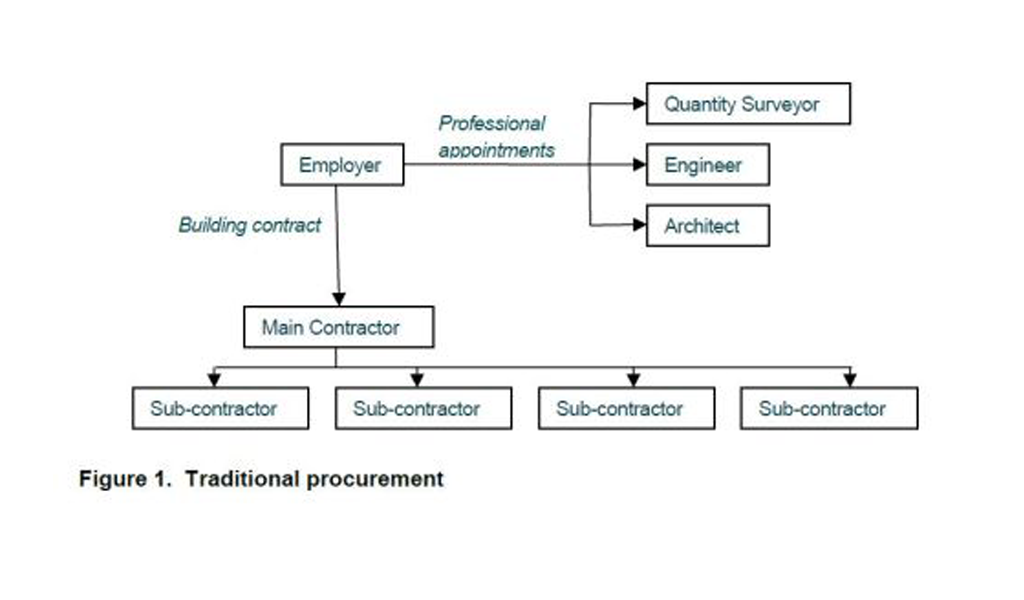
Under Traditional Procurement, the client engages an architect and other consultants to handle the design. Beyond designing to meet your requirements, the consultant team also carries responsibility for quality, cost control, obtaining authority approvals, and contract administration.
The builder is appointed through a competitive tender, run only after the consultants have prepared detailed design documentation. The contractor is not responsible for the design or its fitness for purpose. Their responsibility is to complete the works to the consultants' specifications. For the full sequence of stages, see our companion article, Guide to Building a House in Singapore.
Design and Build
Under a Design and Build contract, the client engages a contractor to undertake both the design and the construction. In theory, putting both under one entity encourages closer collaboration between the design professionals and the builder, and gives the owner single-point responsibility. That is a genuine advantage.
In practice, the picture is often different. Many Design and Build contractors are primarily contractors and are not strong in design, which can compromise the quality of both the proposal and the built result. There is a structural point too. Under Traditional Procurement, the architect acts as a third party, checking that construction meets the quality and standards set out in the signed contract. Under Design and Build, the contractor and architect sit inside one legal entity, and the owner loses a neutral third party to administer the contract fairly.
Homeowners tend to have very specific requirements. Under Design and Build, they often end up with less control over the design, and the result may not match what they pictured after spending a considerable sum. Under Traditional Procurement, the design is controlled fully by the owner and consultants, and is known and detailed before tender.
Our recommendation
Traditional Procurement asks for more time at the front end, because the consultants prepare detailed tender documentation before any builder is appointed. For residential houses, where clients are more likely to hold specific requirements and preferences, that front-loaded effort is worth it. We recommend Traditional Procurement for homes.