Technology continues to redefine what is possible across every industry, and the home is no exception. From artificial intelligence to renewable energy, the advances below are changing how houses are built, run, and lived in. We have set them out here as a guide to what is arriving and why it matters to the homes we design.
Artificial intelligence and machine learning
AI and machine learning sit at the front of current innovation. They are being woven into healthcare, finance, retail, and other sectors to improve efficiency, accuracy, and personalisation. In the home, AI-driven assistants such as Alexa and Google Home already automate lighting, climate control, and security, turning routine tasks into background ones.
The rise of quantum computing
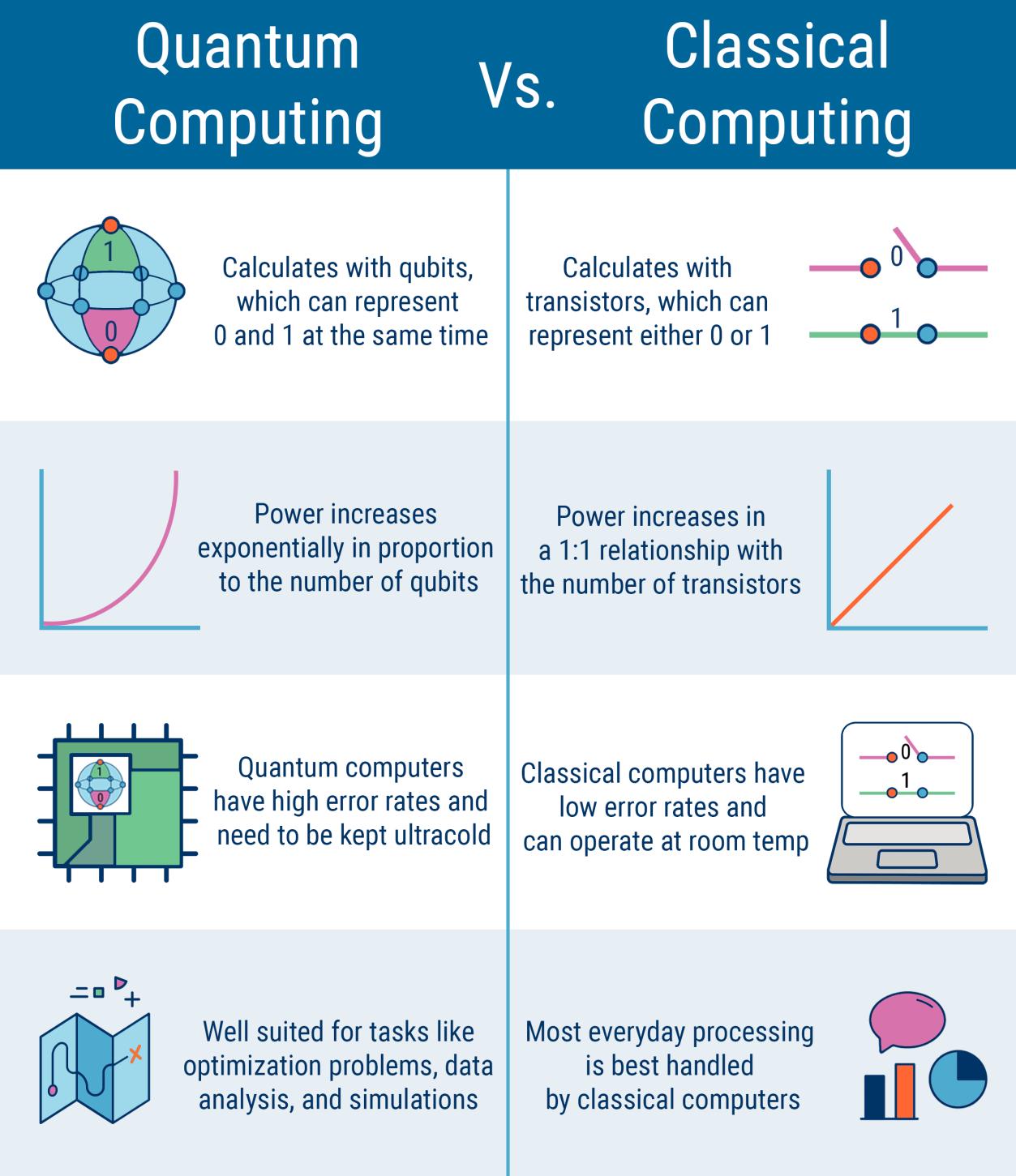
Quantum computing promises to solve problems beyond the reach of classical machines. Google, IBM, and specialist research startups are making breakthroughs with implications for cryptography, materials science, and logistics. It is still early, but in time quantum computing could strengthen smart home technologies and data security.
The Internet of Things in smart homes
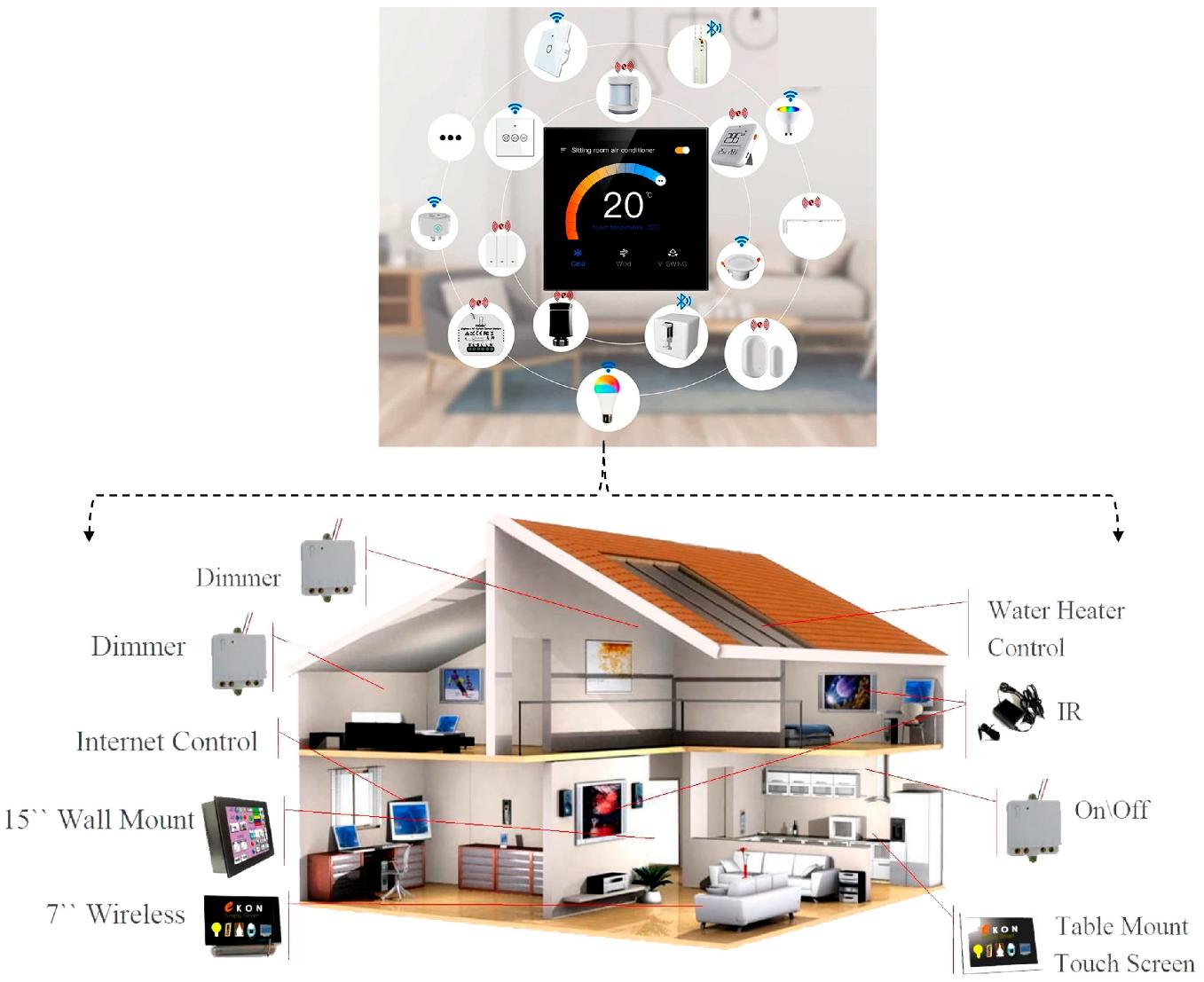
The Internet of Things connects everyday objects to the internet, letting devices communicate with one another. Smart homes built around IoT thermostats, refrigerators, and security systems are already changing daily life. As 5G connectivity expands, IoT is expected to grow quickly, making homes more efficient, secure, and convenient.
Sustainable and renewable technologies
As concern over climate change grows, innovation in renewable energy becomes more important. Advances in solar, wind, and battery storage are making clean energy more accessible and affordable. Smart grids, home energy management systems, and efficient appliances are helping homeowners lower both their carbon footprint and their electricity bills.
Blockchain and decentralised finance
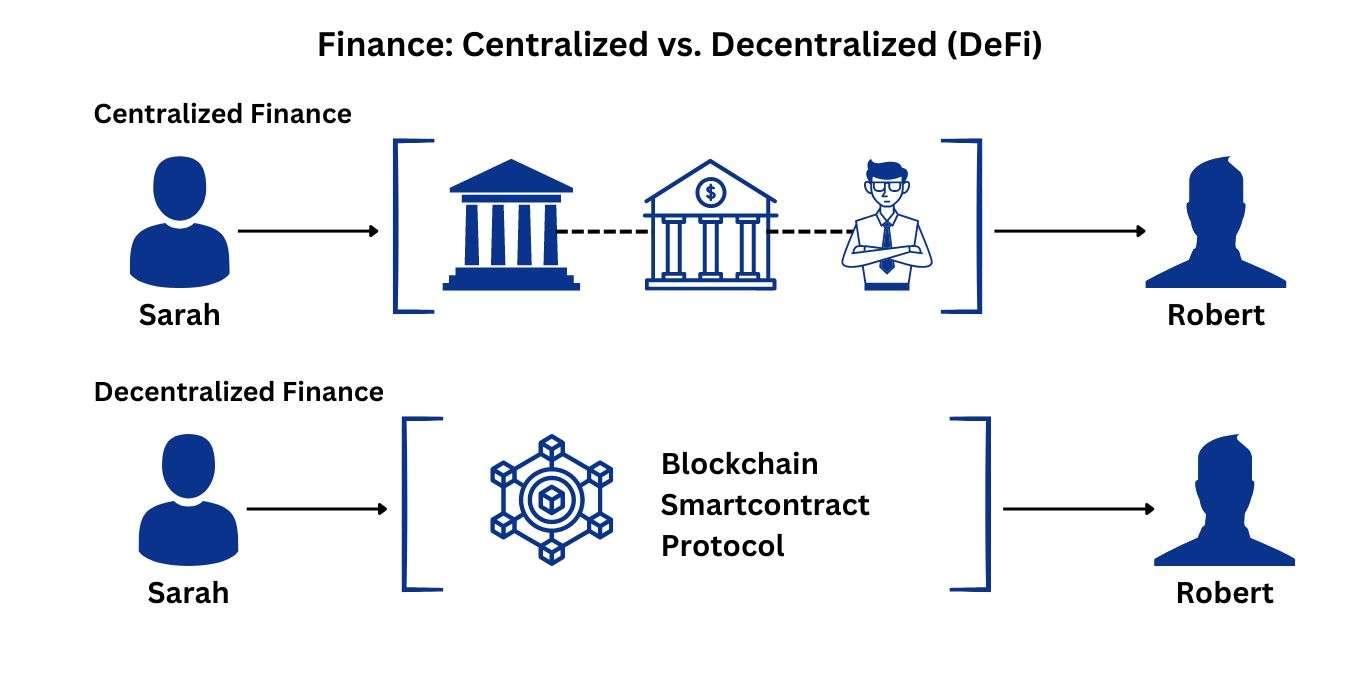
Blockchain reaches well beyond cryptocurrency, offering a secure and transparent record for finance, supply chains, and digital identity. Smart contracts can extend into home automation, letting homeowners manage rental agreements, property transactions, and energy distribution securely.
Biotechnology and home health
The meeting of biotechnology and digital health is producing real medical advances. Personalised medicine, gene editing, and AI-assisted diagnostics are improving outcomes. In the home, wearable health tech and health-monitoring devices enable real-time tracking, emergency alerts, and remote consultations, bringing a layer of care into the house itself.
The future of work at home
Automation and remote-work tools continue to reshape both the workforce and the home. AI handles repetitive tasks so people can focus on more creative work, while virtual collaboration tools change how teams meet from a home office. Home setups with integrated workspaces, noise control, and ergonomic design are becoming a standard expectation rather than a luxury.
These advances open real opportunities, and they carry real questions: ethics, cybersecurity, and how work itself changes. Designing a home for this future means staying informed and adaptable, not simply adding devices.
Designing for a connected home
A home that anticipates these systems is easier to live in and to upgrade. If you are planning a house and want it ready for the technology ahead, talk to our studio about designing for it from the start.